Clinical
Department of Conservative Dentistry and Endodontics
About the Department
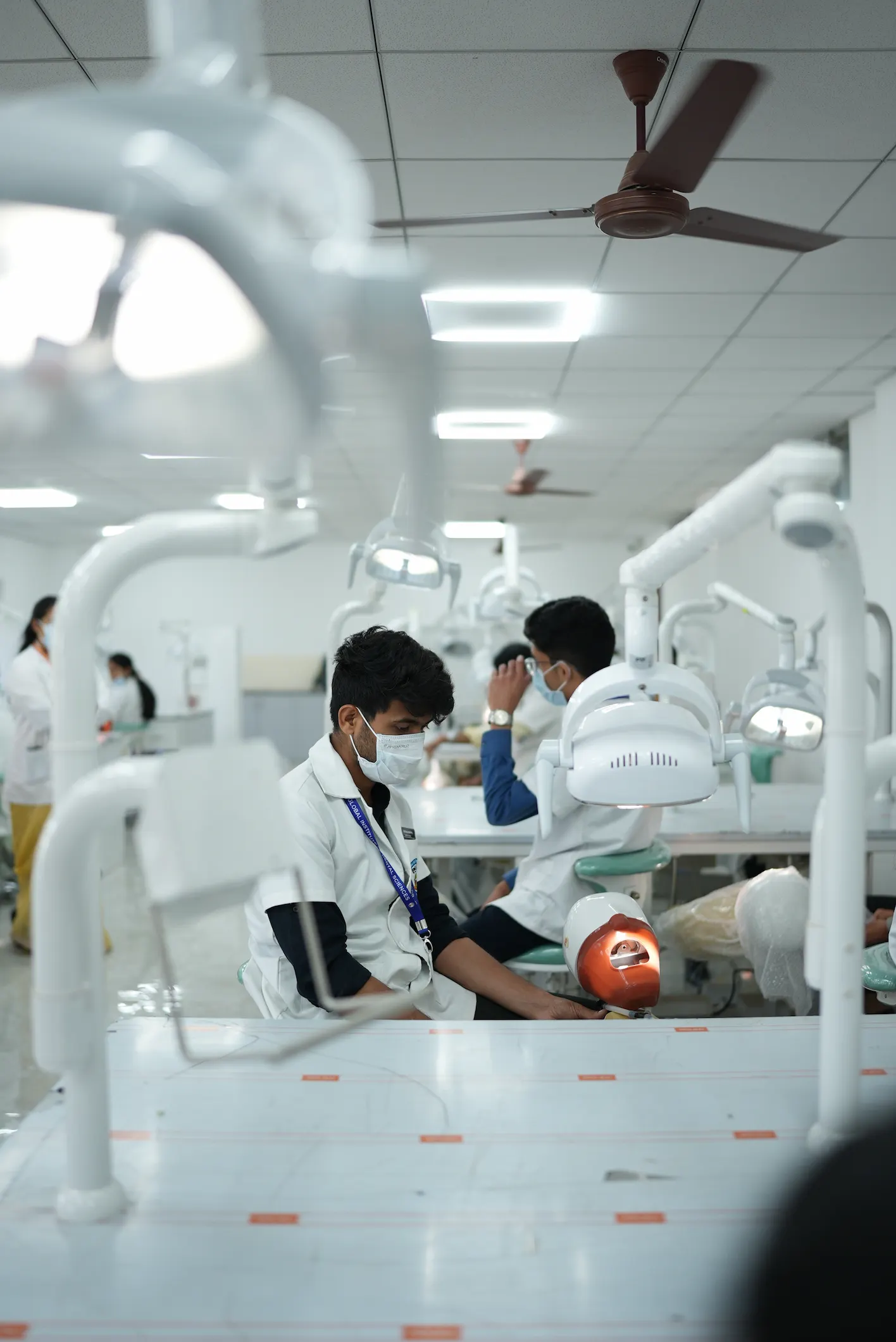
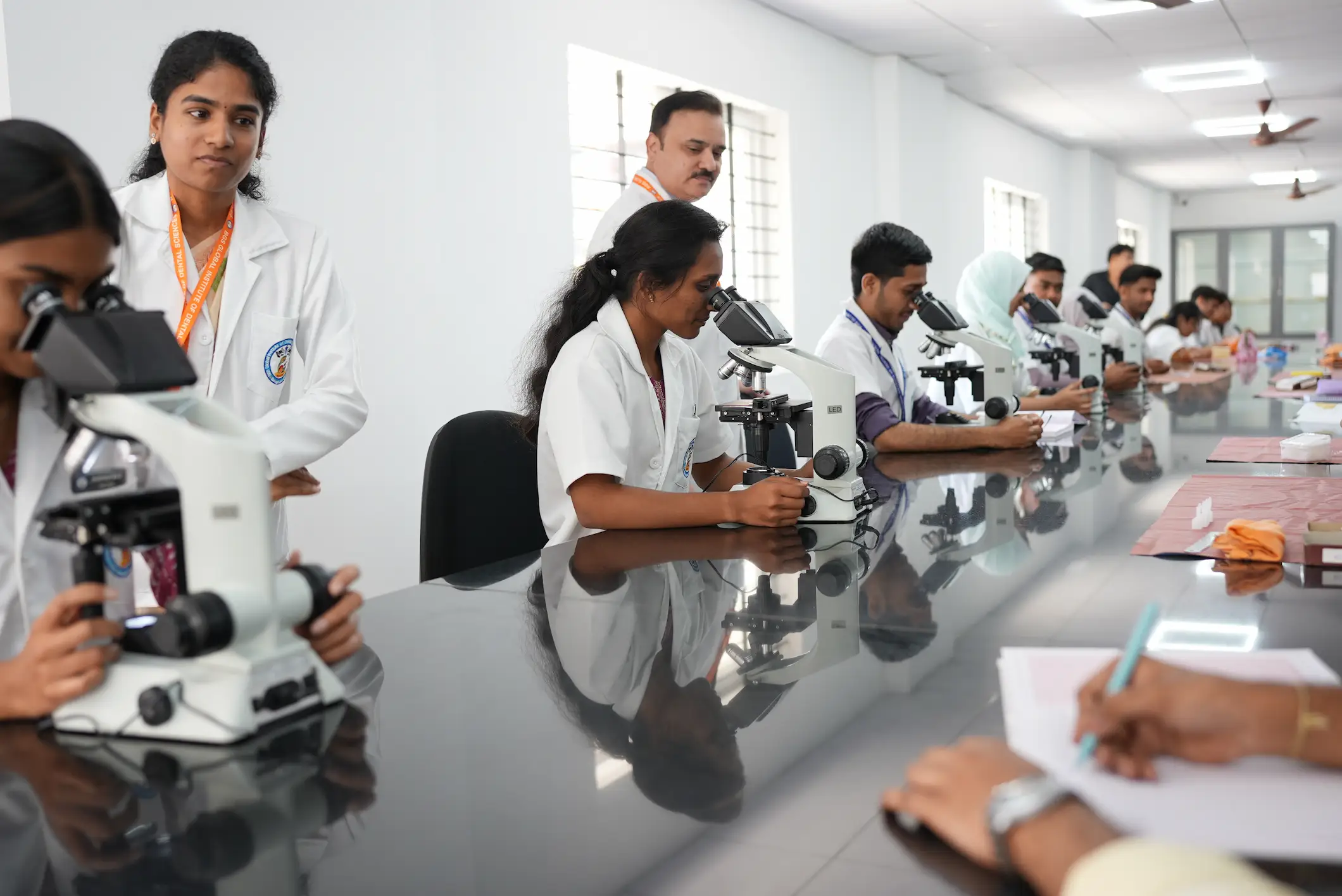
The Department of Conservative Dentistry and Endodontics at BGS Global Institute of Dental Sciences focuses on preserving natural teeth through restorative and endodontic care. The department delivers evidence-based, minimally invasive treatment in a safe, patient-friendly environment.
Conditions We Treat
- Tooth decay (dental caries) at all stages
- Dental pain and sensitivity
- Infected or abscessed teeth
- Cracked or fractured teeth
- Tooth discolouration and staining
- Traumatic dental injuries
- Previously failed root canal treatments
Treatments & Services
- Tooth-coloured (composite) fillings
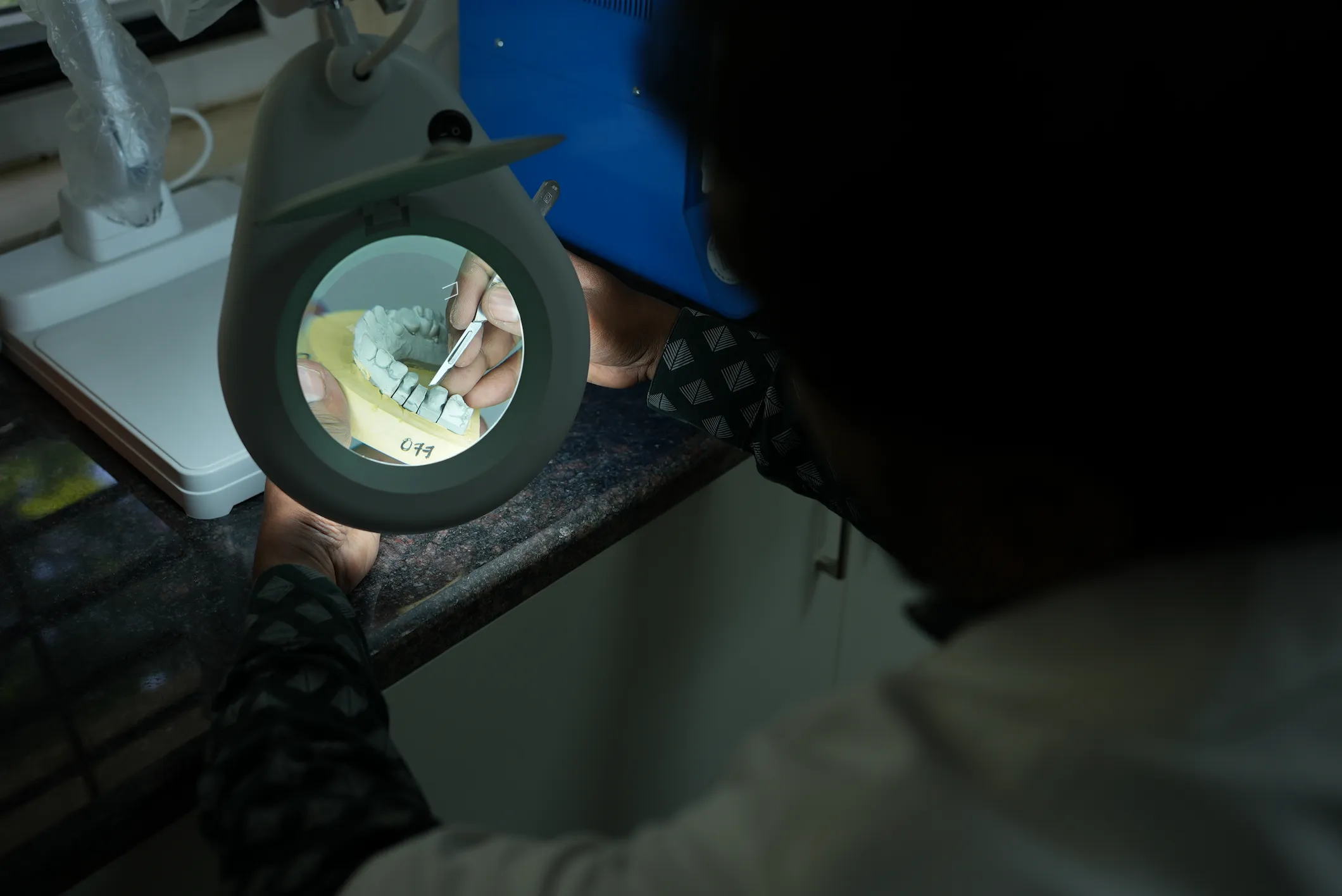
- Root canal treatment (RCT) using rotary and hand instrumentation
- Re-treatment of previously treated root canal cases
- Vital pulp therapy
- Post and core restorations for structurally weakened teeth
- Tooth whitening and aesthetic restorations
- Management of dental trauma and emergencies
- Minor periapical surgical procedures
What to Expect at Your Visit
- A thorough clinical examination and accurate diagnosis
- Clear explanation of your condition and all available treatment options
- Personalised treatment plan with cost transparency
- Pain control and comfort measures throughout your treatment
- Strict infection control and sterilisation at every step
- Follow-up care and preventive guidance
When to See Us
- Toothache or persistent dental sensitivity
- Swelling in the gum near a tooth
- Tooth broken or chipped due to injury or biting
- Visible dark spots or holes in a tooth
- Discomfort in a previously root canal treated tooth
Patient FAQs
Do root canal treatments hurt?
The Department of Conservative Dentistry and Endodontics at BGS Global Institute of Dental Sciences focuses on preserving natural teeth through restorative and endodontic care. The department delivers evidence-based, minimally invasive treatment in a safe, patient-friendly environment.
Can a tooth be saved instead of extracted?
In most cases, yes. Our department’s philosophy is to preserve the natural tooth whenever clinically possible. Root canal treatment, restorations and crowns are effective options for most damaged or infected teeth.
How long does a filling last?
With proper oral hygiene and regular dental check-ups, composite fillings typically last 7–10 years or longer.
Is tooth whitening safe?
Professionally supervised whitening procedures are safe. Our team will assess your suitability before recommending any whitening treatment.
Department of Oral & Maxillofacial Pathology and Microbiology
About the Department
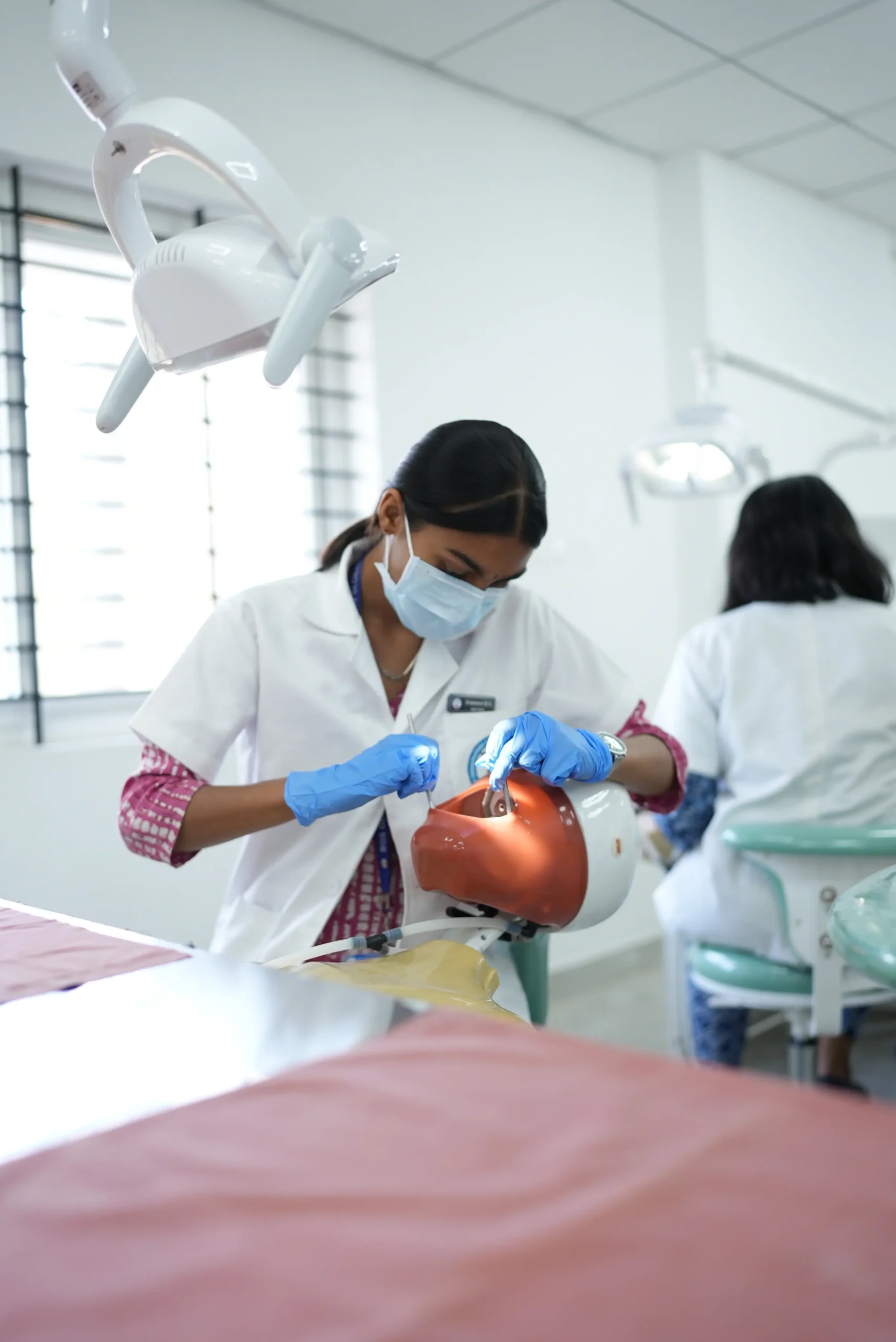
The Department of Oral & Maxillofacial Pathology and Microbiology at BGS GIDS provides essential diagnostic laboratory services for diseases of the oral cavity and associated head and neck structures. The department plays a critical role in the early detection and diagnosis of oral cancer, precancerous conditions, cysts, infections and other oral diseases.
Conditions We Diagnose
- Oral cancer and potentially malignant disorders (leukoplakia, erythroplakia, submucous fibrosis)
- Oral cysts and tumours of the jaw
- Salivary gland disorders
- Chronic oral ulcers and non-healing sores
- Oral infections — fungal, bacterial and viral
- Oral manifestations of systemic diseases
- Previously failed root canal treatments
Diagnostic Services
- Histopathological examination of biopsy specimens
- Oral exfoliative cytology for early lesion screening
- Haematological investigations — HB%, BT, CT, ESR, TC, DC, Blood Grouping
- Clinical biochemistry — RBS, FBS, PPBS, Blood Urea, Creatinine, Serum Cholesterol
- Serology — HIV, HBsAg, VDRL, ASLO, CRP, RA Factor testing
- Oral cancer screening with clinical assessment
What to Expect at Your Visit
- A detailed clinical examination of the oral cavity and relevant head and neck structures
- Appropriate specimen collection or blood investigation as indicated
- Accurate diagnostic report with clinical correlation
- Referral for further management where required
- Strict infection control and biomedical waste management throughout
When to See Us
- Any oral ulcer or sore lasting more than two weeks
- White, red or mixed-coloured patches in the mouth that cannot be explained
- A lump or swelling in the mouth, jaw or neck
- Difficulty swallowing or persistent hoarseness
- Tobacco or alcohol users requiring oral cancer screening
- Pre-operative blood investigations before dental procedures
Patient FAQs
What is a biopsy and is it painful?
A biopsy is a small tissue sample taken from a suspicious area under local anaesthesia. It is sent to our laboratory for microscopic examination to confirm or rule out disease. The procedure is brief and generally well tolerated.
Why is early detection of oral cancer important?
Oral cancer detected early has significantly better treatment outcomes. Routine screening by our department can identify potentially malignant lesions before they progress.
Can I get a blood test done here before my dental procedure?
Yes. Our department offers a full range of pre-operative blood investigations including haemoglobin, clotting studies, blood sugar, HIV and Hepatitis B screenings.
Department of Oral & Maxillofacial Surgery
About the Department
The Department of Oral & Maxillofacial Surgery at BGS GIDS provides a full range of surgical procedures for conditions affecting the mouth, jaws, face and neck. The department manages everything from routine extractions to complex facial trauma and pathological conditions, with a focus on patient safety, precision and post-operative comfort.
Conditions We Treat
- Impacted wisdom teeth and difficult extractions
- Dental infections and facial swellings
- Jaw cysts and benign oral tumours
- Facial trauma — jaw fractures and soft tissue injuries
- Temporomandibular joint (TMJ) disorders
- Pre-prosthetic ridge abnormalities requiring surgical correction
- Jaw bone defects requiring augmentation
Treatments & Services
- Routine and surgical tooth extractions
- Impacted third molar (wisdom tooth) surgery
- Incision and drainage of dental abscesses
- Surgical removal of oral cysts and benign tumours
- Management of jaw fractures
- Pre-prosthetic surgeries — alveoloplasty, torus removal, frenectomy
- Biopsy procedures for suspicious oral lesions
- Minor implant-related surgical procedures
- Local anaesthetic procedures for pain management
What to Expect at Your Visit
- A thorough clinical and radiographic assessment
- Clear explanation of the surgical procedure, risks and recovery
- Safe administration of local anaesthesia for a comfortable procedure
- Detailed post-operative care instructions
- Scheduled review appointments to monitor healing
When to See Us
- Swelling, pain or limited mouth opening suggesting dental infection
- Partially erupted or impacted wisdom tooth causing pain or swelling
- A tooth that cannot be saved and requires extraction
- A lump, cyst or unexplained growth in the mouth or jaw
- Facial trauma involving the jaw or teeth
- Difficulty opening or closing the mouth (TMJ problems)
Patient FAQs
Is tooth extraction painful?
Extractions are performed under local anaesthesia so the procedure itself is pain-free. Mild soreness and swelling for 1–3 days afterwards is normal and manageable with prescribed medications.
How long does recovery take after wisdom tooth surgery?
Most patients recover within 3–5 days for simple cases. Complex impactions may require 5–7 days of recovery. Full healing of the socket takes several weeks.
What should I do after a tooth extraction?
Bite gently on gauze for 30–45 minutes. Avoid rinsing vigorously, smoking, hot drinks and strenuous activity for 24 hours. Take prescribed medications as directed and attend your follow-up appointment.
Can dental infections be dangerous?
Yes. Dental infections can spread to surrounding tissues and, in severe cases, to the neck and airway. Early surgical drainage and antibiotics are essential. Seek care promptly if you have significant swelling or difficulty opening your mouth.
Department of Oral Medicine and Radiology
About the Department
The Department of Oral Medicine and Radiology at BGS GIDS specialises in the non-surgical diagnosis and medical management of diseases affecting the mouth, jaws, face and salivary glands, supported by modern radiographic imaging. The department provides a comprehensive diagnostic service for complex oral conditions.
Conditions We Diagnose and Manage
- Oral mucosal lesions — ulcers, white patches (leukoplakia), red patches (erythroplakia)
- Oral cancer screening and early detection of potentially malignant disorders
- Oral lichen planus and autoimmune oral conditions
- Temporomandibular joint (TMJ) disorders and orofacial pain
- Salivary gland disorders — dry mouth, salivary gland swellings
- Burning mouth syndrome
- Oral manifestations of systemic diseases — diabetes, anaemia, autoimmune conditions
- Trigeminal neuralgia and other neuropathic facial pain
- Oral infections — fungal, viral and bacterial
Imaging Services
- Digital intraoral radiographs — periapical, bitewing and occlusal views
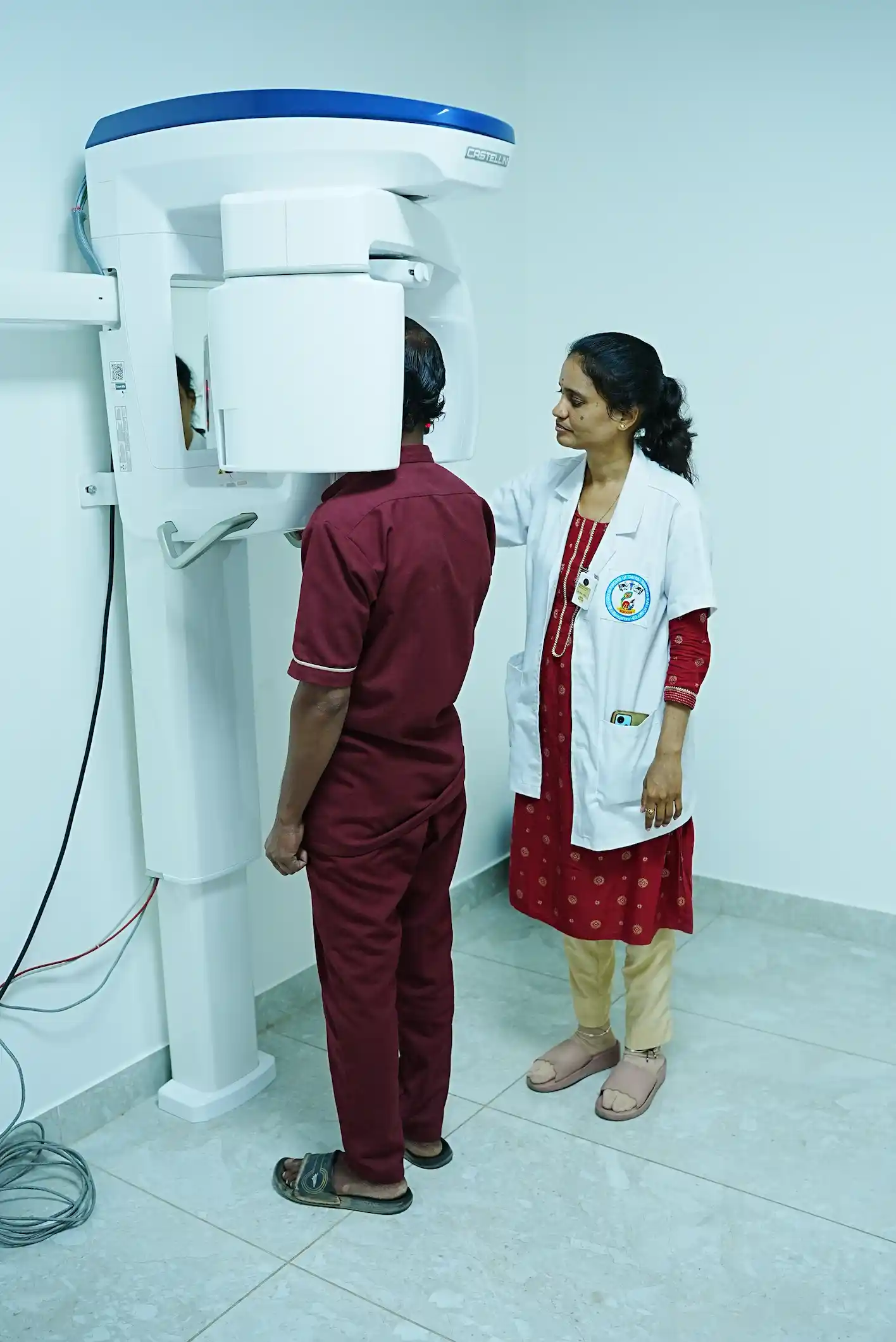
- Panoramic radiography (OPG)
- Cone Beam Computed Tomography (CBCT)
- Temporomandibular joint (TMJ) imaging

What to Expect at Your Visit
- A detailed case history and thorough clinical examination of the mouth and face
- Appropriate radiographic imaging or diagnostic investigations
- Personalised diagnosis and medical management plan or specialist referral
- Patient counselling and follow-up for chronic or complex conditions
- Low-radiation digital imaging ensuring patient safety
When to See Us
- A mouth ulcer not healing after two weeks
- White or red patches in the mouth
- Unexplained facial or jaw pain
- Difficulty opening the mouth or jaw clicking sounds
- Dry mouth, burning tongue or persistent altered taste
- Swelling or change in a salivary gland
- Known systemic disease with oral symptoms
Patient FAQs
What is the difference between Oral Medicine and General Dentistry?
General dentists focus on dental treatment such as fillings and extractions. Oral Medicine specialists diagnose and medically manage complex diseases of the oral soft tissues, salivary glands, TMJ and facial pain — often in patients with systemic health conditions.
Is CBCT radiation safe?
CBCT uses significantly less radiation than a medical CT scan. Our department uses modern digital systems optimised for minimum radiation dose. Imaging is only recommended when clinically necessary.
Do I need a referral to visit the Oral Medicine department?
No prior referral is necessary. You can walk in or contact the OPD directly. However, referrals from other dental or medical practitioners are also accepted.
Can oral problems indicate other health issues?
Yes. Changes in the oral mucosa, gums and tongue can reflect systemic conditions including diabetes, anaemia, vitamin deficiencies and autoimmune disorders. Our department is trained to identify and manage these connections.
Department of Orthodontics & Dentofacial Orthopaedics
About the Department
The Department of Orthodontics and Dentofacial Orthopaedics at BGS GIDS diagnoses and corrects misaligned teeth and jaw discrepancies. The department delivers functional, aesthetic and stable orthodontic outcomes through a range of modern treatment options for patients of all ages.
Conditions We Diagnose and Manage
- Crowded or crooked teeth
- Spacing between teeth
- Protruding front teeth
- Irregular bite — overbite, underbite, crossbite, open bite
- Jaw growth discrepancies and facial asymmetry
- Habits affecting dental development — thumb sucking, tongue thrusting
- Early (interceptive) orthodontic problems in children
Treatments & Services
- Conventional metal braces
- Ceramic (tooth-coloured) braces
- Self-ligating bracket systems
- Clear aligner therapy
- Interceptive orthodontics — early treatment in children
- Functional appliance therapy for jaw correction
- Orthodontic treatment in combination with jaw (orthognathic) surgery
- Retention and relapse prevention protocols
- Space management in growing children
What to Expect at Your Visit
- A comprehensive clinical examination and diagnostic records including X-rays and study models
- Individualised treatment plan with explanation of options, duration and expected outcomes
- Regular scheduled follow-up appointments for adjustments and progress monitoring
- Guidance on oral hygiene maintenance during orthodontic treatment
- Retention protocol at the end of active treatment to maintain results
When to See Us
- Child aged 7 or above with crowding, spacing or bite issues
- Protruding front teeth or jaw that appears too prominent or recessed
- Teeth that do not meet properly when biting
- Self-conscious about the appearance of your teeth or smile
- Adult seeking teeth straightening without prior treatment
Patient FAQs
At what age should a child first see an orthodontist?
Early evaluation is recommended around age 7. At this stage, the orthodontist can assess jaw development and identify any conditions that are easier to treat while the jaw is still growing.
How long does orthodontic treatment take?
Treatment duration typically ranges from 12 to 24 months depending on the complexity of the case.
Are braces uncomfortable?
Mild soreness may occur after fitting braces or after adjustment appointments. This usually settles within 2–3 days and can be managed with over-the-counter pain relief if needed.
Can adults get braces?
Yes. Orthodontic treatment is effective at any age. Adults can choose from metal braces, ceramic braces or clear aligners depending on clinical suitability and personal preference.
What happens after braces are removed?
A retainer is prescribed to maintain the corrected tooth positions. Wearing your retainer as instructed is essential to prevent teeth from shifting back.
Department of Pedodontics and Preventive Dentistry
About the Department
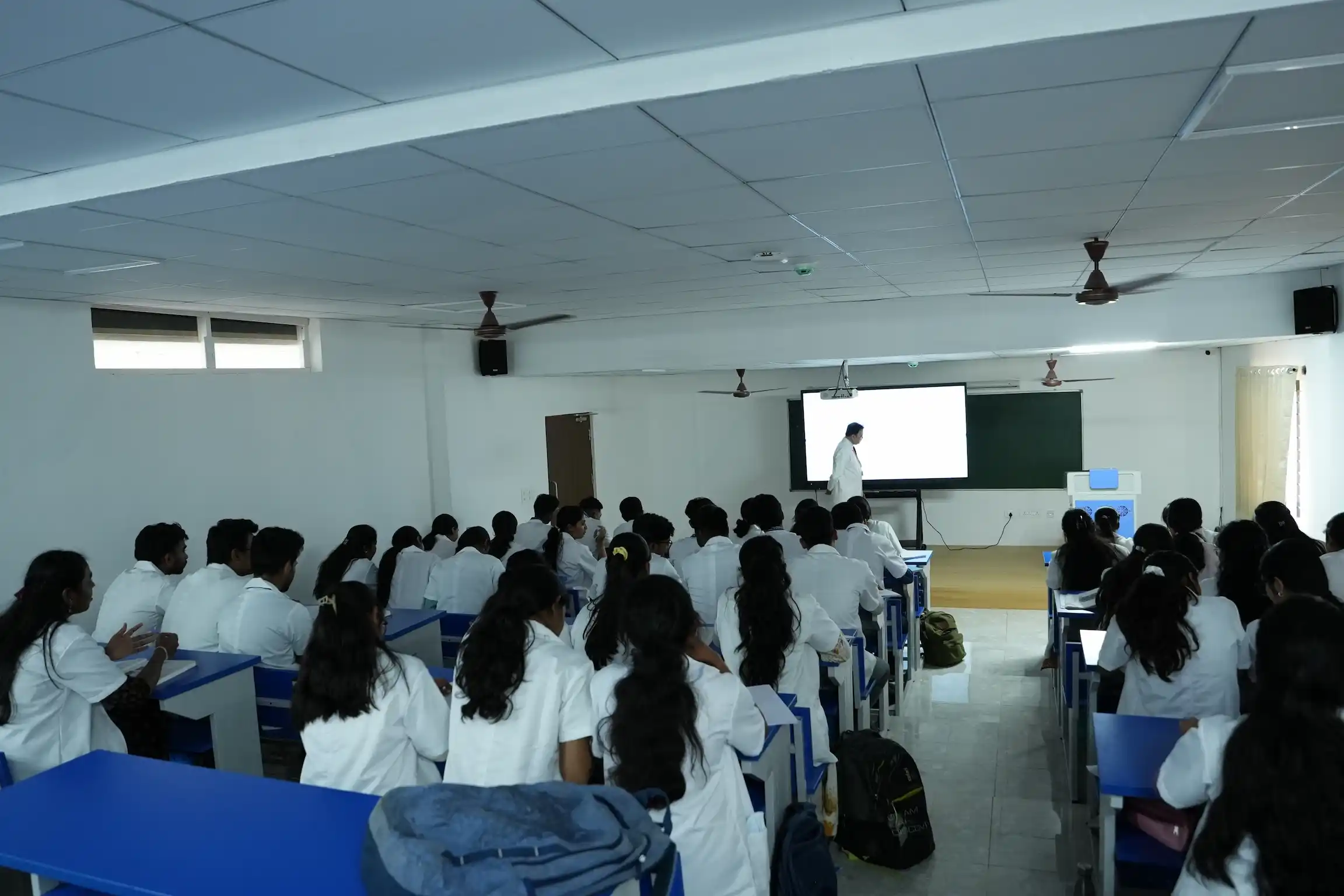
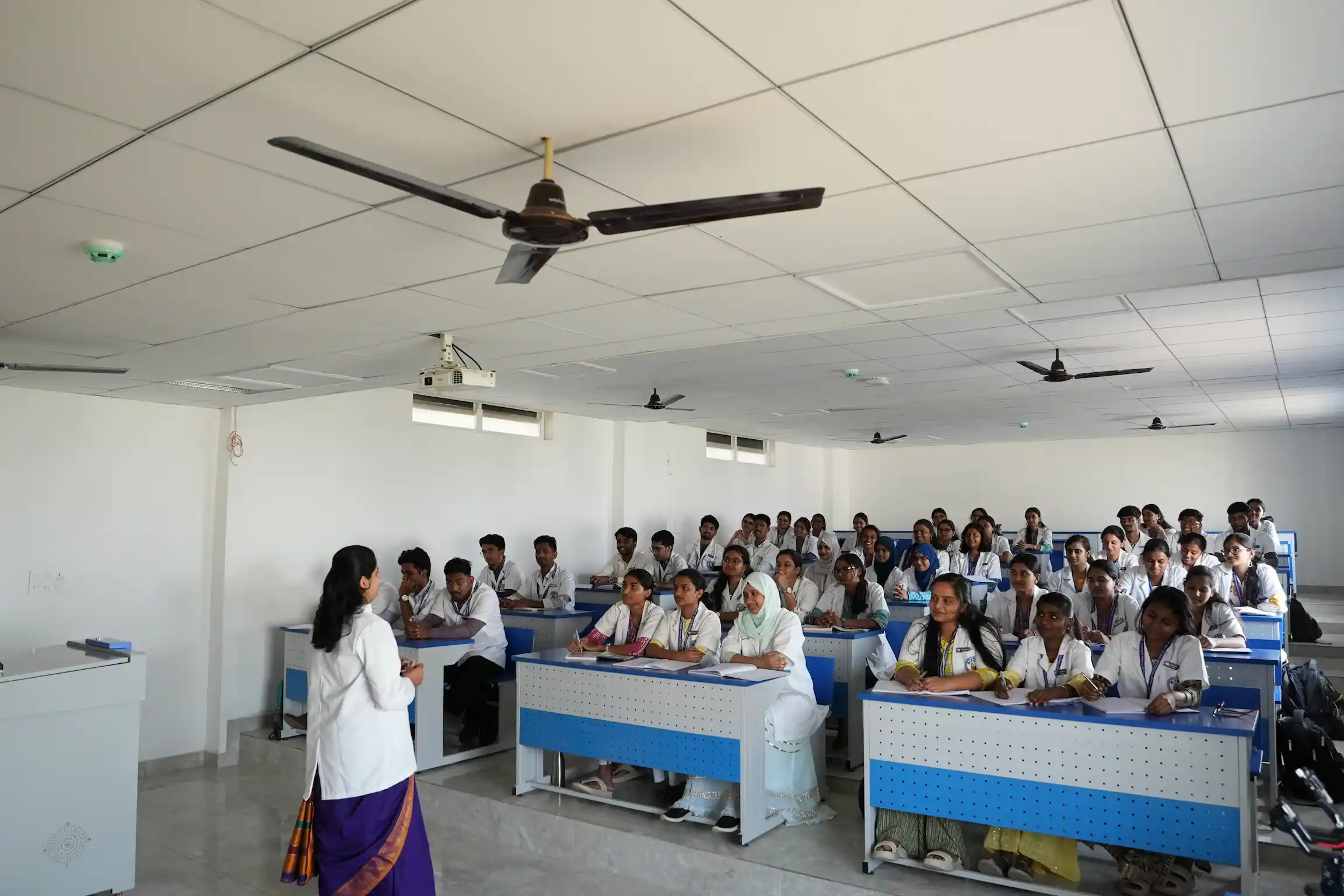
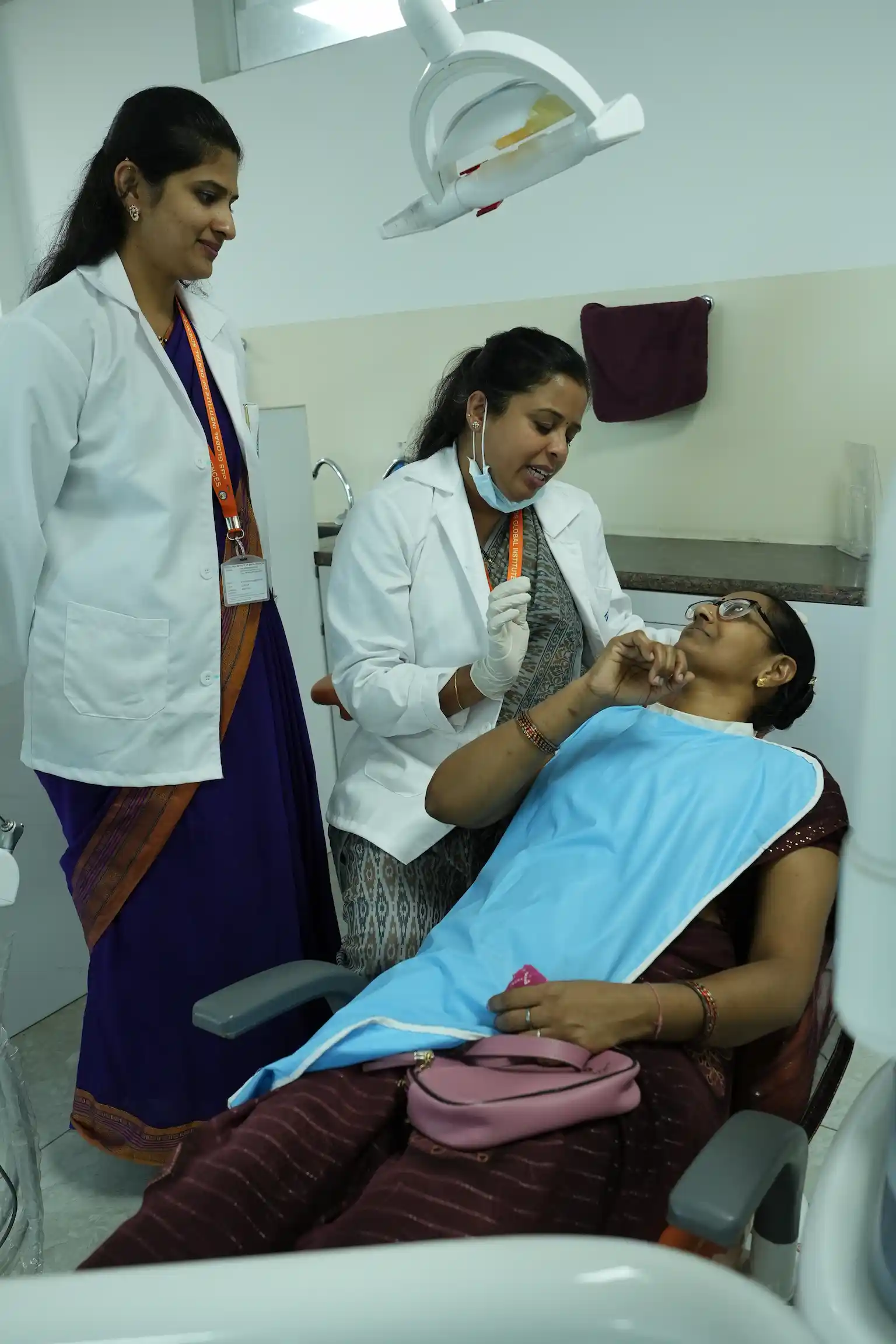
The Department of Pedodontics and Preventive Dentistry at BGS GIDS provides comprehensive dental care for infants, children, adolescents and patients with special healthcare needs. The department maintains a child-friendly clinical environment and places strong emphasis on prevention, early intervention and behaviour guidance to make dental visits a positive experience for every child.
Conditions We Treat
- Early childhood caries (tooth decay in infants and young children)
- Cavities in milk and permanent teeth
- Gum problems in children
- Dental trauma — broken or knocked-out baby or permanent teeth
- Crowding, spacing and eruption problems
- Oral habits — thumb sucking, tongue thrusting, mouth breathing
- Dental needs of children with special health care requirements
Treatments & Services
- Preventive care — fluoride application and pit and fissure sealants
- Restorative treatment — fillings and stainless-steel crowns
- Pulp therapy in primary teeth — pulpotomy and pulpectomy
- Space maintainers to preserve space after early tooth loss
- Dental trauma management including re-implantation of knocked-out teeth
- Habit-breaking appliances
- Dental treatment under conscious sedation where required
- Comprehensive care for children with special needs
What to Expect at Your Visit
- A warm, child-friendly consultation with behaviour management techniques to reduce anxiety
- Clinical examination and age-appropriate radiographs
- A preventive and restorative care plan explained clearly to parents
- Oral hygiene and diet counselling for parents and children
- Scheduled follow-up appointments for ongoing preventive care
When to See Us
- Child's first dental visit — ideally by age one or when the first tooth erupts
- Visible tooth decay or dark spots on a child's teeth
- Child complaining of toothache or sensitivity
- Dental injury — chipped, broken or knocked-out tooth
- Child with persistent thumb sucking or mouth breathing habit
- Milk tooth not falling out at the expected age
Patient FAQs
When should I bring my child for their first dental visit?
The first visit is recommended by your child’s first birthday or within six months of the first tooth appearing. Early visits help establish good dental habits and allow early identification of any problems.
Why treat milk teeth? They will fall out anyway.
Milk teeth are essential for chewing, speech and holding space for permanent teeth. Untreated decay in milk teeth can cause pain, infection and affect the development of permanent teeth.
Is fluoride safe for children?
Yes. Professionally applied fluoride in age-appropriate concentrations is safe and highly effective at preventing tooth decay. Our team uses only recommended dosages.
How can I prevent tooth decay in my child?
Brush with fluoride toothpaste twice daily, limit sugary foods and drinks, start dental visits early, and have sealants applied to back teeth as recommended by your dentist.
Department of Periodontology and Implantology
About the Department
The Department of Periodontology and Implantology at BGS GIDS specialises in the prevention, diagnosis and treatment of gum and bone diseases supporting the teeth, as well as the surgical placement of dental implants. The department uses evidence-based protocols and modern technology to deliver precise and lasting results.
Conditions We Treat
- Gingivitis — early gum disease with redness, swelling and bleeding
- Periodontitis — advanced gum disease with bone loss and tooth mobility
- Gum recession
- Periodontal abscesses
- Gum overgrowth (gingival enlargement)
- Peri-implant disease
- Gum problems associated with systemic conditions — diabetes, pregnancy
Treatments & Services
- Scaling and root planing (deep cleaning)
- Curettage and root conditioning
- Flap surgery — with bone graft, GTR membrane or platelet concentrates
- Mucogingival surgery — gum recession correction, gum grafting
- Frenectomy and operculectomy
- Crown lengthening
- Depigmentation of gums
- Dental implant placement and restoration
- Socket preservation after extraction
- Laser-assisted periodontal therapy
- Osseous resective surgery
- Periodontal maintenance programme
What to Expect at Your Visit
- A thorough periodontal examination including probing depths, mobility and radiographic bone assessment
- Personalised treatment plan ranging from non-surgical to surgical options
- Professional cleaning and detailed oral hygiene instructions
- Explanation of implant suitability and treatment phases where applicable
- Ongoing maintenance schedule for long-term gum health
When to See Us
- Gums that bleed when brushing or flossing
- Persistent bad breath not relieved by brushing
- Gums that appear to have pulled back, making teeth look longer
- Loose teeth or a change in the way your teeth bite together
- Swelling, pain or pus around a tooth or gum
- Missing teeth and considering dental implants
Patient FAQs
Is gum disease reversible?
Gingivitis (early gum disease) is fully reversible with professional cleaning and improved oral hygiene. Periodontitis (advanced disease) can be controlled and stabilised but the bone lost cannot be fully regrown without surgical intervention.
Do dental implants feel like natural teeth?
Dental implants integrate with the jawbone and closely replicate the function and feel of natural teeth. With proper care, they are a long-lasting tooth replacement option.
Is scaling harmful to teeth?
No. Professional scaling removes plaque and calculus that cannot be removed by brushing alone. Temporary sensitivity after scaling is normal and resolves within a few days.
How long do dental implants last?
With proper oral hygiene and regular professional maintenance, dental implants can last many years and potentially a lifetime.
Department of Prosthodontics, Crown & Bridge, Implantology
About the Department
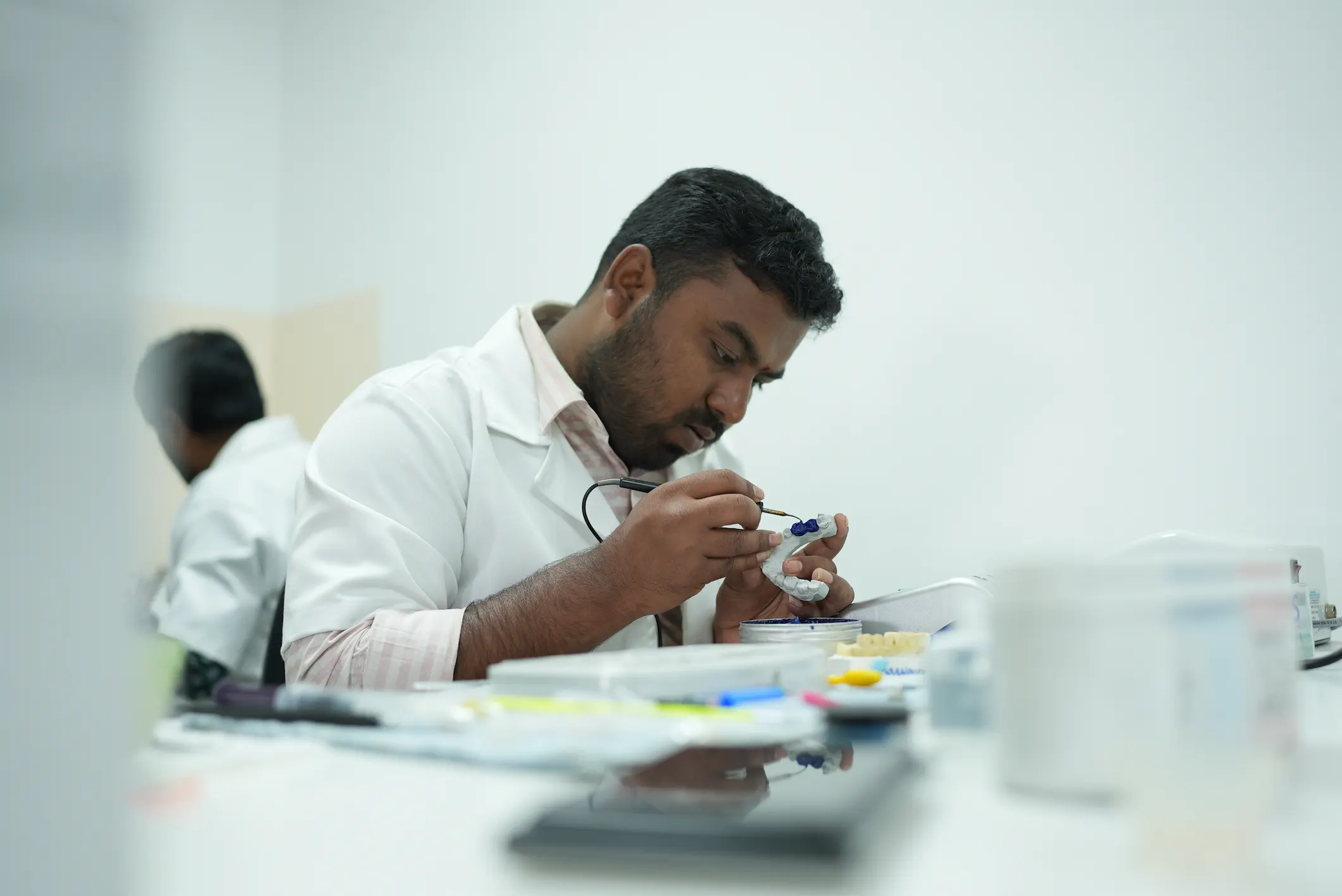
The Department of Prosthodontics at BGS GIDS restores damaged, missing or aesthetically compromised teeth using modern prosthetic and restorative techniques. The department provides comprehensive treatment from single tooth crowns to full mouth rehabilitation, combining clinical expertise with precision laboratory work.
Conditions We Treat
- Single or multiple missing teeth
- Heavily decayed or broken down teeth
- Worn teeth due to grinding or acid erosion
- Congenital or acquired facial and jaw defects
- Ill-fitting or worn-out existing dentures
- Bite problems affecting appearance and function
Treatments & Services
- Complete dentures for fully edentulous patients
- Partial dentures — removable metal framework and acrylic
- Crowns — metal, porcelain-fused-to-metal and all-ceramic
- Dental bridges — fixed replacement for missing teeth
- Implant-supported crowns, bridges and overdentures
- Veneers and aesthetic restorations
- Full mouth rehabilitation
- Maxillofacial prostheses for facial and oral defects
- Denture relines, repairs and adjustments
What to Expect at Your Visit
- A detailed clinical assessment of your teeth, gums, bite and jaw
- Digital or conventional impressions for accurate prosthesis fabrication
- A personalised treatment plan with clear explanation of options, costs and timeline
- Fitting appointments with adjustments to ensure comfort and aesthetics
- Maintenance and review instructions for long-term prosthesis health
When to See Us
- Missing one or more teeth affecting eating, speech or appearance
- A crown, bridge or denture that is broken, loose or ill-fitting
- Teeth heavily damaged by decay or fracture
- Considering dental implants as a permanent replacement option
- Unhappy with the appearance of your smile — discolouration, shape or size
Patient FAQs
What is the best option to replace missing teeth?
The ideal option depends on the number of missing teeth, bone quality, gum health and overall health. Dental implants are generally the most durable long-term option. Bridges and dentures are suitable alternatives. Your prosthodontist will recommend the most appropriate treatment after assessment.
How long does it take to get a crown or bridge?
A crown or bridge typically requires two to three appointments over two to three weeks, including tooth preparation, impressions, temporary restoration and final fitting.
How should I care for my dentures?
Remove and clean dentures daily using a denture brush and denture cleaner. Soak them in water or a mild denture solution overnight. Remove dentures while sleeping to allow gum tissue to rest.
Will a crown look natural?
All-ceramic and porcelain-fused-to-metal crowns are designed to match the colour, shape and translucency of your natural teeth. Your prosthodontist will work with you on shade selection.
Department of Public Health Dentistry
About the Department
The Department of Public Health Dentistry at BGS GIDS focuses on the prevention of oral disease and promotion of oral health at a community level. Beyond campus clinics, the department actively engages with schools, community health centres and underserved populations through outreach programmes, mobile dental services and health education initiatives.
Services Available
- Oral health screening and comprehensive dental check-up
- Professional oral prophylaxis (cleaning)
- Fluoride application for caries prevention
- Pit and fissure sealants for children and young adults
- Atraumatic restorative treatment (ART) for minimally invasive care
- Tobacco cessation counselling — Tobacco Cessation Cell (TCC) with CO smoke analyser
- Oral cancer screening and awareness
- School oral health programmes — screening and preventive care
- Community dental camps via mobile dental van (2-chair unit)
What to Expect at Your Visit
- A full oral health examination and personalised oral hygiene advice
- Preventive treatments tailored to your risk level
- Tobacco cessation guidance and support if required
- Referral to the appropriate specialist department for any treatment needs identified
When to See Us
- Routine check-up and professional cleaning every six months
- Tobacco users seeking support to quit — smoking, chewing tobacco or other products
- Parents wanting preventive treatments (sealants, fluoride) for their children
- Communities or schools interested in oral health awareness or screening programmes
Patient FAQs
How often should I visit the dentist?
A check-up and professional cleaning every six months is recommended for most patients. Those with higher risk of decay or gum disease may benefit from more frequent visits.
What is the Tobacco Cessation Cell?
The TCC is a dedicated service for patients who use tobacco in any form. Our trained counsellors provide personalised advice, CO breath testing to measure smoking impact and support for quitting.
Can dental problems be prevented?
Yes, the majority of dental diseases are preventable. Brushing twice daily with fluoride toothpaste, regular professional cleaning, a balanced diet low in added sugars and routine dental visits prevent most decay and gum disease.
Does the department run camps in schools or villages?
Yes. The department conducts regular oral health camps using a fully equipped mobile dental van. Schools, community organisations and villages can contact the department to schedule a visit.